
How Big A Problem Is Climate Change in Europe?
Gavin Lendon • 12 May 2021
European State of the Climate 2020

The Copernicus project released its' summary report in April '21 on the state of the European climate in 2020. Despite the global pandemic and the volume of lockdowns in Europe the situation remains grim.
You can see the vido summary here
The key messages are below:-
- In 2020, the annual temperature for Europe was the highest on record; at least 0.4°C warmer than the next five warmest years, which all occurred during the last decade.
- Winter in northeastern Europe was nearly 1.9°C warmer than the previous record
- 2020 saw the largest number of sunshine hours since satellite records began in 1983.
- In February 2020, a large area of Europe was affected by above-average precipitation from several heavy rainfall events. However, northern parts of western Europe experienced one of the driest springs of the last 40 years, in terms of both rainfall and soil moisture.
- Storm Alex, in early October 2020, was the first storm of the 2020–21 European winter storm season. The storm brought unusually high levels of rainfall in a short period of time and broke many one-day precipitation records in the UK, northwestern France and in the southern Alps.
The race to reduce climate change is on.
We all need to do our bit.
Don't know where to start? Contact us for advice.

In an age where “purpose” has lost its meaning, it’s time to rediscover the forces that make organisations truly resilient by reclaiming what lies at the core of strategic development. It starts with remembering why we exist, what drives us forward, and the future we dare to imagine. Then, we must activate the power of this “ Strategic Triad ” for the benefit of the whole ecosystem that sustains the organisation. This process will ground us and enable us – organisations and individuals – to thrive through today’s complex and unpredictable times. Over recent years, purpose has been dissected, redefined, and overused to the point that its meaning feels diluted into slogans and taglines. But over the past two decades of working with organisations across industries, I've learned this: purpose is the quiet, steady force that holds organisations together through change, but only when understood in its duality: Purpose as the reason for existing Purpose as the determination to become, to go further, to persist. The engine behind resilience. That’s when it becomes a true transformational anchor. However, for the yin of purpose – in its duality – to become this anchor, it must be paired with its yang: the force that delivers clarity and direction: Vision . The Strategic Triad If purpose provides meaning, and determination is the engine behind resilience, then vision helps build momentum. It's the spark that ignites hearts and minds to go beyond what once seemed possible. It's the compass that keeps organisations aligned when everything shifts. When leaders clearly define their purpose, show unwavering determination and articulate a compelling vision – while inviting everyone along for the journey – that’s when the magic happens. A clear example of the Strategic Triad can be seen in President Kennedy’s 1962 moon-shot speech: Purpose: advancing knowledge for the benefit of all. Determination: choosing the hard path because it matters. Vision: a future of innovation, new industries, shared progress, and the possibility of peace. Regardless of politics, the speech united millions behind a common ambition and helped propel the mission that reached the moon. It remains a rare moment where purpose, determination, and vision were fully aligned and lived through the space programme. Source: Full speech Beyond Statements The real value, then, isn't in crafting perfect statements - although they must be true to the core and strong enough to move mountains. It lies in the mindset change that happens while going through the process of answering fundamental questions, such as: What needs are we here to meet? What change do we want to lead? What world do we want to live in? In an era of climate emergency, AI disruption, and polarisation, these existential questions matter more than ever. They ground us when everything else is shifting.
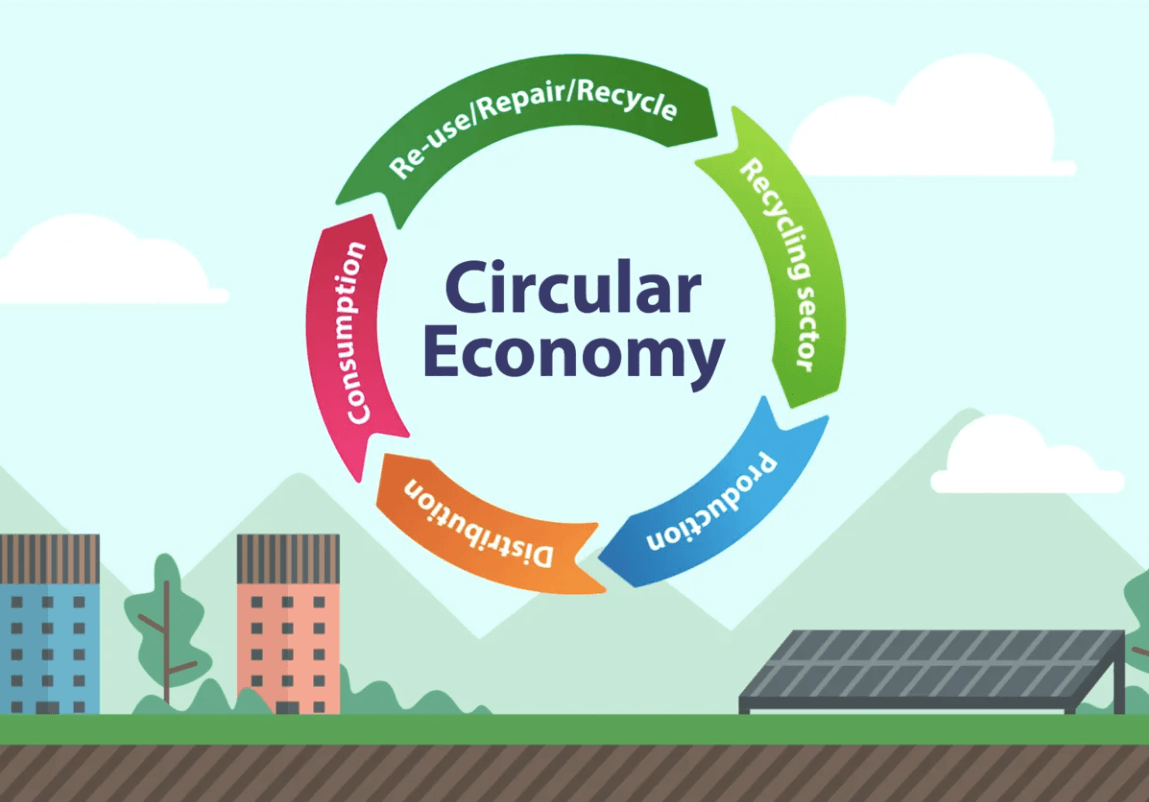
Does Circularity Apply to Service Based Businesses?

A brief desciption of the extent of biodiversity loss in the UK

Soleil Marketing's B Corp Journey (part 1)
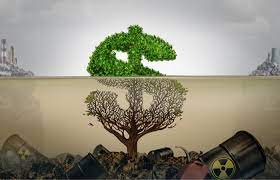
Tash Morgan-Etty in Conversation with Sam Cande of Responsible Futures on the subject of greenwashing
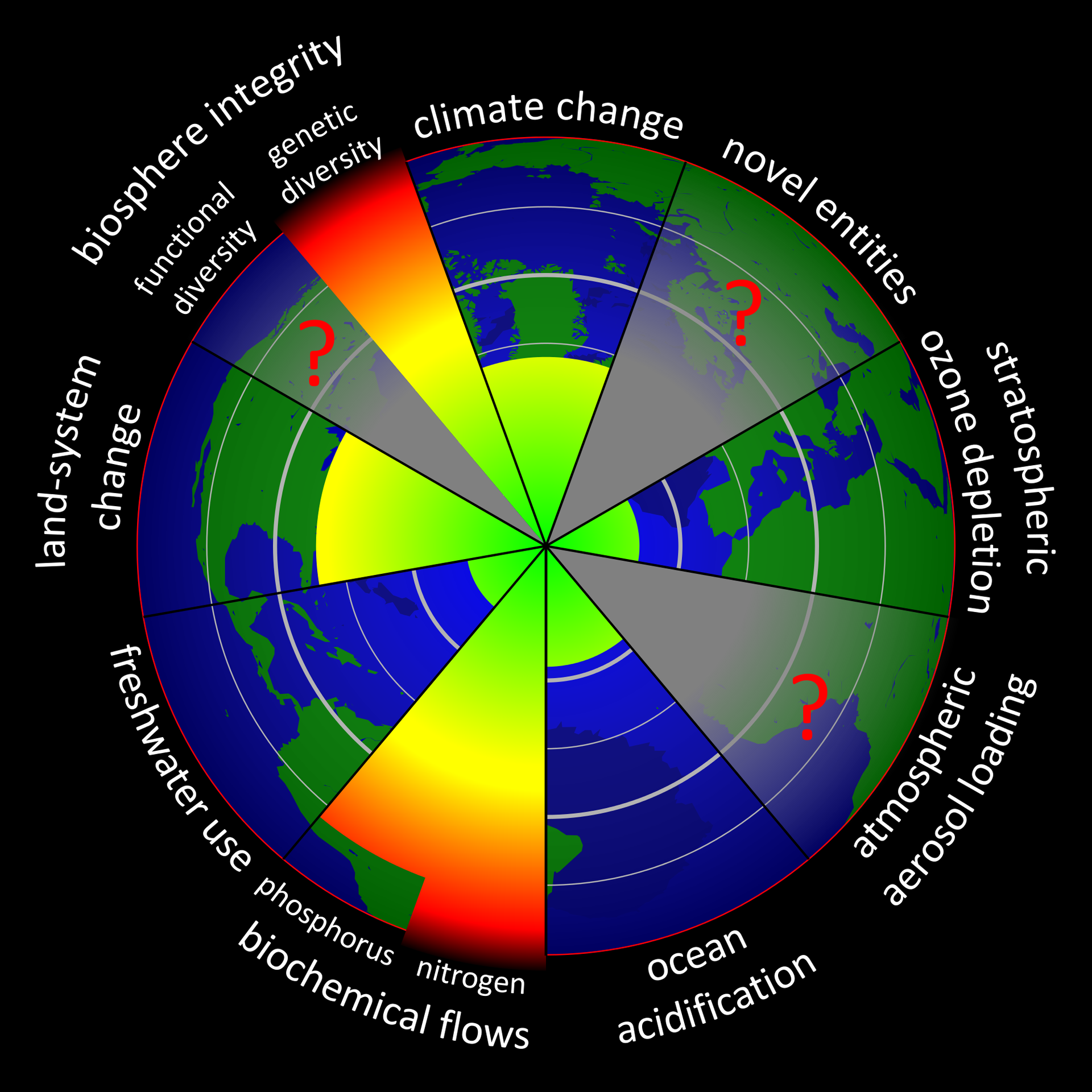
Planetary Boundaries a Business View on why they are significant

A brief bullet point list on communicating your brand

A short guide and definition to purpose driven business
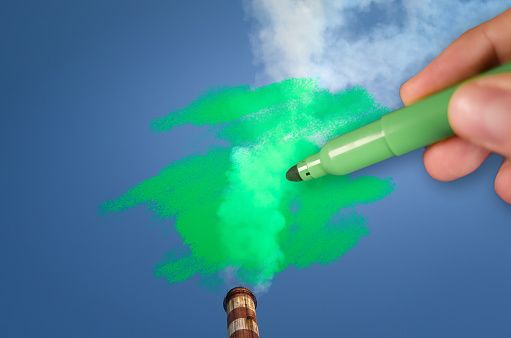
A guide to avoid greenwashing whilst showing how to use ethical marketing for sustainability purposes
Should organisations consider scope 4 or would it be an execise in greenwashing.