The Circular Economy in Travel and Tourism
The Growth of Sustainable Tourism

In June 2021 Booking.com published their annual report on Sustainable Tourism (https://globalnews.booking.com/bookingcoms-2021-sustainable-travel-report-affirms-potential-watershed-moment-for-industry-and-consumers/ ). The key highlights were as follows.
The pandemic has significantly affected attitudes to travel with with almost two thirds (61%), of the travellers sampled, commenting that the pandemic has influenced them to want to travel more sustainably in the future.
This increase in the desire for more sustainable tourism is significant and it is only likely to increase post COP26. It does indicate a permanent shift within the industry and that there will be no more business as usual. This is further emphasised by the survey finding that almost half (49%) of the travellers surveyed still believe that in 2021, there aren’t enough sustainable travel options available.
Travellers priorities were on waste reduction and the conservation of energy witha significant number looking to sustainable travel options whilst at a venue i.e. walking and cycling in preference to taxi and hire cars.
What is perhaps more disturbing from a guest services perspective is that 53% admitting they get annoyed if somewhere they are staying stops them from being sustainable.
Indications are that sustainable tourism is becoming increasingly more important. The survey found that 81% of travelers say they want to stay in a sustainable accommodation in the upcoming year (an increase from 74% in 2020 and 61% pre-pandemic).
Despite this increase in desire, there is a frustration in that 40% of these travellers had not stayed in a sustainable venue in the past 12 months. Of this 40% highlighted within the survey, 36% of these travellers said they didn’t even know that sustainable venues existed, 32% of these travellers said they couldn’t find any sustainable options where they were traveling and 31% said that they didn’t know how to find them.
In fact, the survey found that 49% of travelers still believe that in 2021, there simply aren’t enough sustainable travel options available.
The Sustainability Challenge From UK Operators
Further evidence from a survey undertaken by BRITA Professional indicates that operators are somewhat in the dark about how to bcome more sustainable.
The research commissioned by BRITA looked into how operators feel about sustainability. Their findings reveals that 37% of hospitality firms admit they lack knowledge and confidence when it comes to running their businesses in a more sustainable way.
Calculating a venue’s carbon footprint can be a minefield for operators and involves the gathering of emissions data from a range of sources including areas such as operations, logistics and production.
Unsurprisingly, 75% of operators say that the pandemic has slowed their drive towards sustainability despite 80% of operators recognising that sustainability is important to their customers (as outlined by the Booking.com survey).
Communicating Change
As highlighted by the Booking.com survey, the travel and tourism industry is doing itself no favours in terms of communicating the work they are doing. Only 1/3 of venues communicate the sustainability measures they have undertaken. To further make matters worse the majority of this communication is taking place at check in (59%) whereas sustainability considerations are a priority at the point of booking.
All this indicates that a significant overhaul in how venues communicate their sustainability measures needs to be undertaken.
One great example of a venue that puts sustainability front and centre of their communications is Crofters of Arran ( https://croftersarran.com ) which while strictly not a hotel venue it is at the forefront of a new wave of venues. By fully integrating sustainability into their strategy it has informed all aspects of the business and has led to transformational change allowing them to integrate sustainability and to develop new products and services as a consequence.

A Sustainable Future
So what can venues do about increasing their sustainability credentials?
Calculating carbon footprint whilst initially looking problematic can be, with the right guidance, an educational process.
A simple review of the business activities and how the way the venues are run will enable you to highlight potential areas for change and improvement.
Consideration of how the venue interacts with its local natural and social environment will also highlight additional areas of potential change.
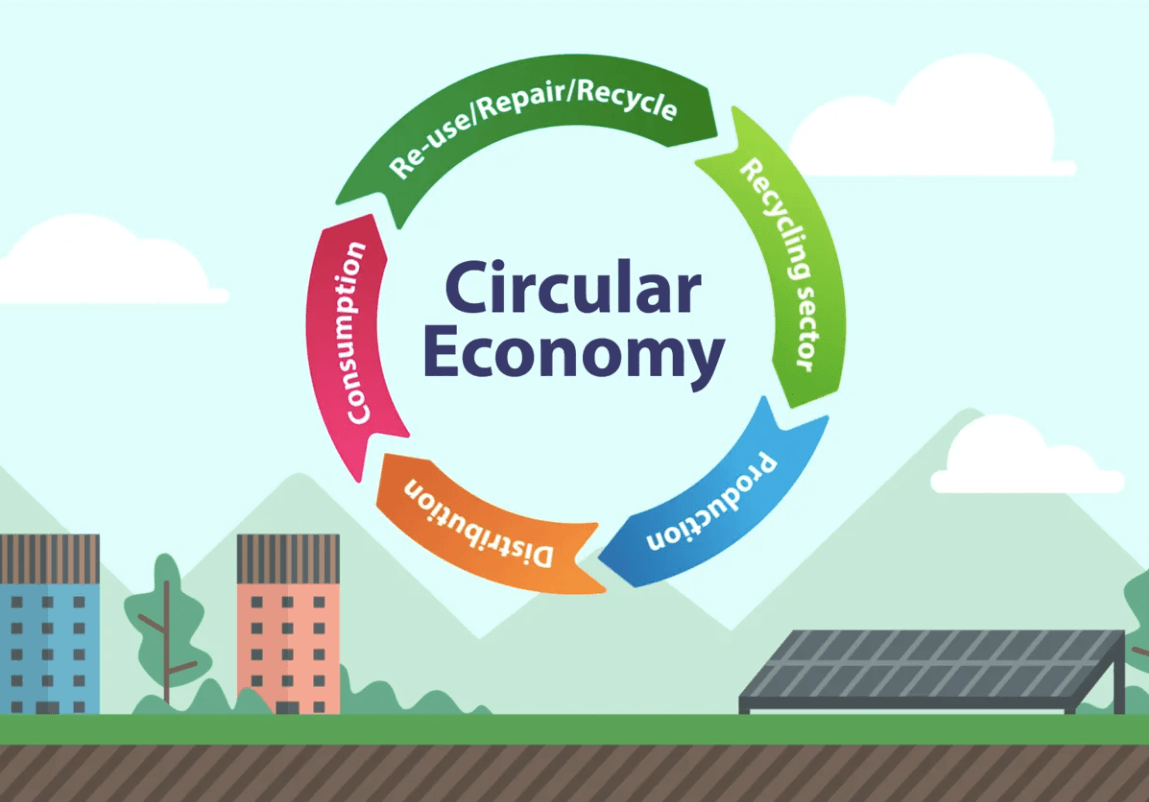
Consideration of waste and resource usage should be considered. With that in mind consider switching to a more circular model of operation. Consider some of the findings of this report on the Circular Economy within Travel and Tourism (https://circulareconomy.europa.eu/platform/sites/default/files/circular-economy-in-travel-and-tourism.pdf)