What is Sustainability and Why Should I Bother?
What is Sustainability?

There is no universally accepted definition of sustainability. The United Nations defines sustainable development as follows :-
“as development that meets the needs of the present without compromising the ability of future generations to meet their own needs.”
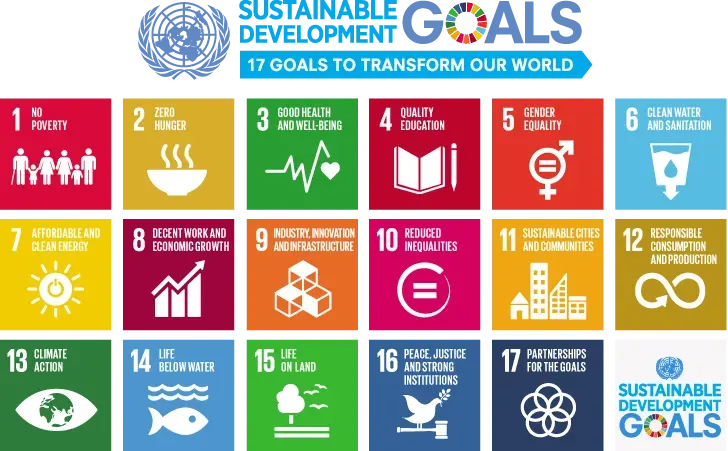
Furthermore, the United Nations developed 12 Sustainable Development Goals. The 12 goals are highlighted in the image below.
Without trying to over complicate matters many view that sustainability is made up of three pillars: the economy, society, and the environment which when combined allow for sustainable development.
These principles are also informally known as profit, people and planet. Businesses have long referred to this as the ‘triple bottom line’, a term coined by John Elkington in “Cannibals with Forks”.
The three elements are now so interlinked that we can no longer think in terms of jobs or the environment, economic growth or environmental health, development or habitat.
The decisions of the present and the future have to be more inclusive and considered in terms of all 3 elements so more likely the “or” is replaced with “and”.
A company does not have a long term future where it is dependent on the exploitation of the environment or workers.
Realising the interconnectivity of the three elements means that you cannot favour one over the others for any sizable period as the equilibrium is broken.
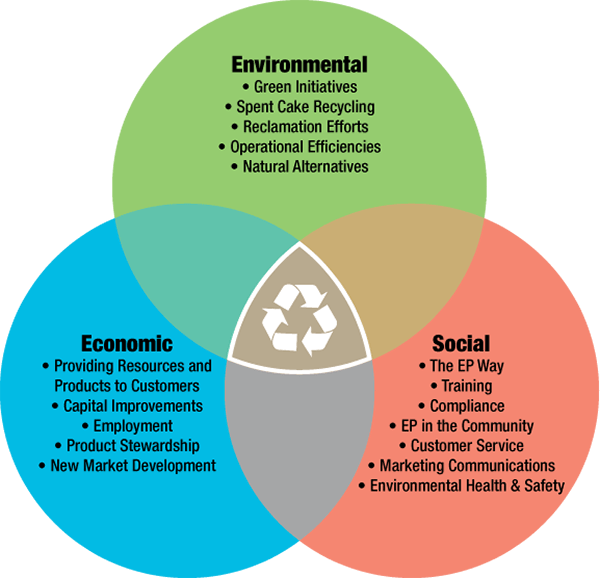
By disrupting the equilibrium there is an economic, social and environmental cost.
For example, if you put toxic chemicals into the environment, fit sickens and weakens the ecosystem include humans which then has an economic impact for example a farmer using a pesticide lets the product infiltrate his soil and then run off to a local river affecting the river ecosystem and other farmers downstream. Another example is in Detroit where lasting social damage has been caused through ill health and contaminated water from a range of pollutants from chemical plants in the vicinity.
As Thomas Friedman found, the conflict in Syria didn’t come out of the ether. He discovered that the revolution was a lack of appropriate government reaction to an acute water shortage which was a result of climate change.
The Syrian conflict in turn destabilised the middle east as regional powers got sucked in on opposing sides and eventually had a detrimental effect on the world economy. (Friedman, T. (18 May 2013) Without Water, Revolution. The New York Times Sunday Review)
It is so easy to forget that all actions have consequences even where those consequences were not initially known.
Size Matters – but only if it’s the Planet
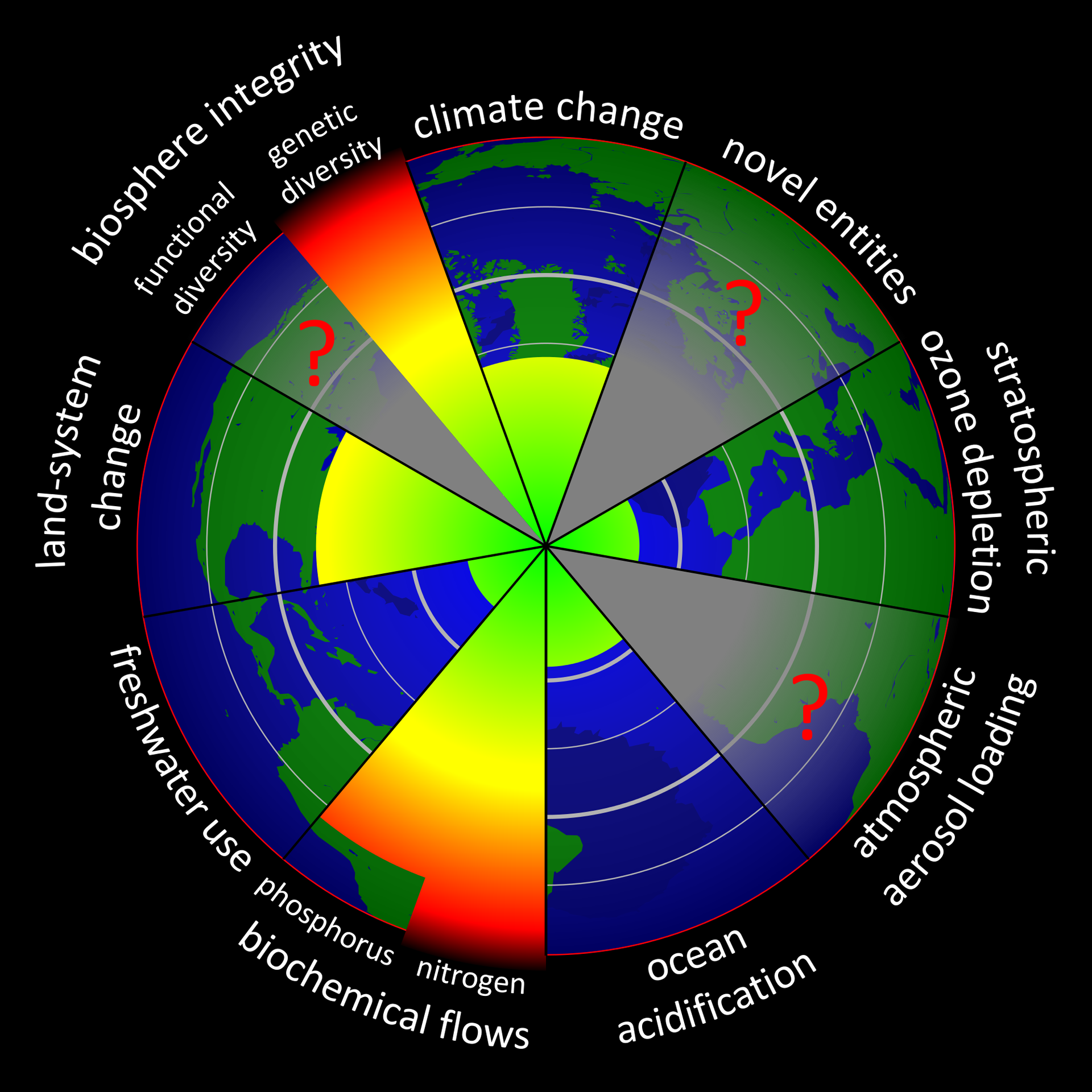
Simply realizing there are these three realms (social, economic, environmental) and pursuing actions in each of them does not make you or your organization sustainable. Simply put a single organisation no matter what its size is a cog in the system that is the entire planet. Ultimately we need the planet to be sustainable.
That does not mean that an organisation should simply throw the towel in. A system can be changed if a sufficient number of cogs make the change. That is why it’s important to embrace sustainability because the growing trend within the system is toward sustainability, most visibly represented within demographics. In particular, younger consumers becoming more environmentally conscious which has led to the rise of globally recognised figures such as Greta Thunberg.
Sustainability is no longer a fringe issue. A business seeks to exist for the long term and hence needs to thrive in a changing environment. Those changes are now wedded to the physical environment and also the social impacts that business has.
Bob Willard, author of The Sustainability Advantage , encourages organizations to think of sustainability as a primary enabling strategy, not one more goal in a long list. Sustainability can unify and organize a wide spectrum of efforts, including seemingly disparate programmes for lean manufacturing, international labour issues and zero waste.
Integrating sustainability into strategy enables organisations to consider, capture and measure all material social and environmental impacts of the business. In so doing they can also assess their success in managing those impacts while succeeding economically.

No Longer A Choice. Why it Matters.
To be clear there is strong case for sustainability.
Despite a number of climate change deniers such as Donald Trump the evidence from science is overwhelming. Thus, the moral case for sustainability has been proven.
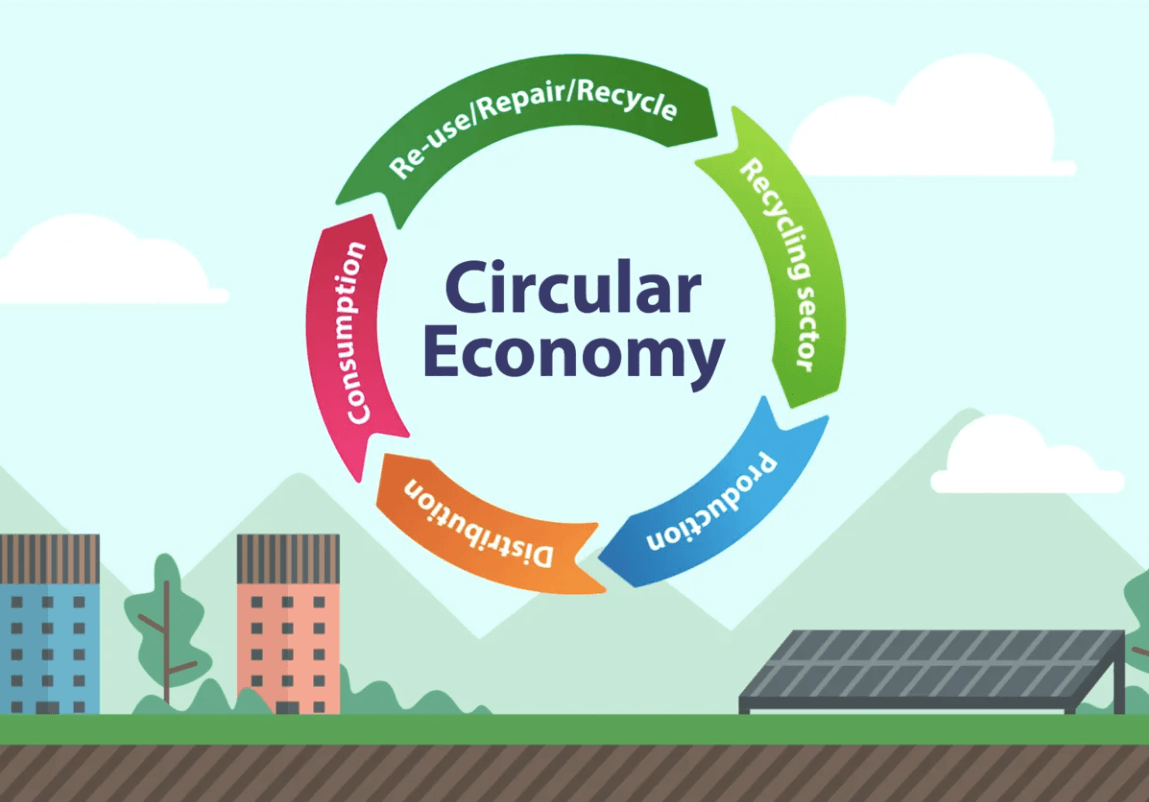
The economic case is rapidly becoming clear as the need to move from a linear economic model to a more circular one which reduces or reuses products is growing.
With the growth in consumer power of the millennials and Gen Z the social case is also accelerating.
Thus, sustainability is no longer a choice but it is an accepted and necessary part of our life.
In our next blog we will emphasise the business case for including sustainability within your business or organisation.